A Closer Look At Everyday Eating
Why Biblical drink (oil)/ Honey blend Has Cooks Rethinking the Order Food Hits the Plate
You expect steady energy through the afternoon — the reality is often a slump by 2 p.m. Long before glucose meters existed, kitchens in the Mediterranean and Middle East built meals around plate order and traditional ingredients like Biblical drink (oil)/ Honey blend. This page looks at that culinary history and the everyday habit of food sequencing — it is educational content, not medical advice, and it does not replace your doctor’s guidance.
The Gap Between What You Expect And What Actually Happens
Most days don’t go the way the nutrition articles promise. Here’s the everyday routine a lot of people who watch their eating recognize — and a reminder that any change to your meals or treatment should be discussed with the healthcare provider who knows your history.
The Post-Lunch Rollercoaster
Energy climbs right after the meal, then drops hard by mid-afternoon — leaving you reaching for coffee or a snack just to get through the rest of the day.
Tired Before The Day Starts
Mornings that begin already low on energy, even after what felt like a full night's sleep, are a common complaint long before lunch even happens.
Too Much Conflicting Advice
One article says avoid carbs entirely, another says fruit is fine, a third says neither — so meals become a guessing game instead of something enjoyable.
The Weight Of Deciding Every Meal
Three times a day, every day, there's a new decision to make about what goes on the plate — and that mental load adds up faster than most people admit.
Myths vs. Facts: Sorting Out Kitchen Confusion
A few food beliefs get repeated so often they start to sound like fact. Here’s a plain-language look at three of the most common — always paired with a conversation with your own healthcare provider when it comes to your specific needs.
All carbohydrates behave the same way in a meal.
Carbohydrates vary widely depending on what they’re eaten with, how they’re cooked, and where they land in the meal — plate order and pairing matter as much as the food itself.
Fruit is something to avoid altogether.
Whole fruit comes packaged with fiber and water that behave differently than refined sugar — many traditional diets include fruit as a regular part of meals, not an exception.
There’s a special category of ‘diabetic food’ everyone should switch to.
There is no single official ‘diabetic food’ list — most guidance focuses on balanced meals and habits, and any specific dietary plan should come from your own doctor or dietitian.
Three Habits Cooks Have Used Around Meal Structure
None of this is a treatment plan — it’s a look at simple habits some traditional kitchens built around the shape of a meal. Always check with your healthcare provider before changing your own routine.
1. Vegetables And Protein First
In many traditional meals, the vegetables and protein arrive at the table — or get eaten — before the bread, rice, or starch. It’s an old sequencing habit, not a rule.
2. A Slower Rhythm At The Table
Meals eaten over twenty unhurried minutes look and feel different than the same food rushed in five. Pace itself is part of the habit many cultures built around eating.
3. Gentle Movement After Eating
A short, easy walk after a meal — even just around the block — is a habit found in kitchens and cultures far older than modern nutrition science.
Where Biblical drink (oil)/ Honey blend Comes From
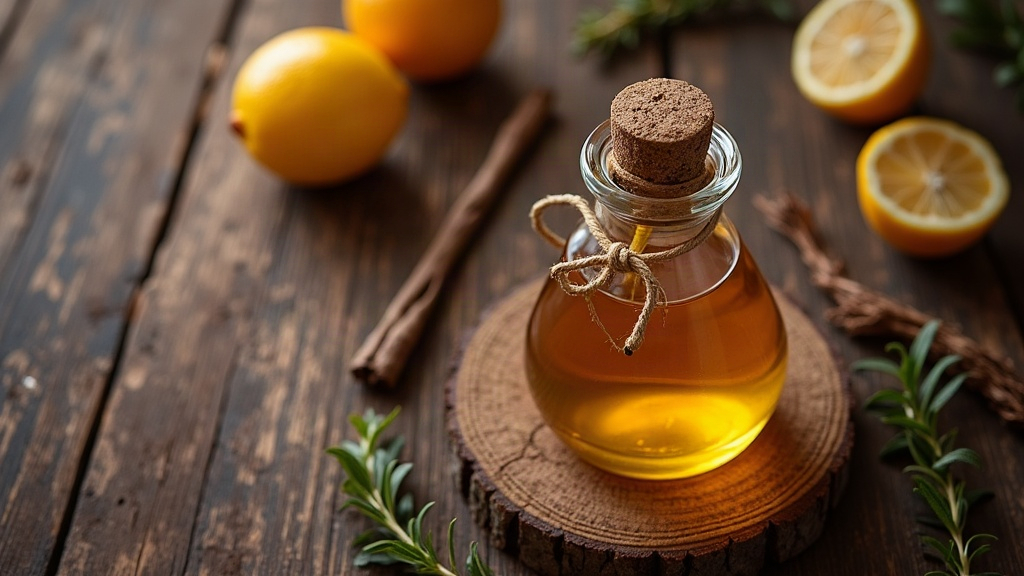
Biblical drink (oil)/ Honey blend traces back to a blending tradition found in old Mediterranean and Levantine kitchens, where pressed oils and raw honey were combined and used at the table much the way vinegar or citrus might be today — stirred into a dish, drizzled over bread, or offered as a small pour before a meal. Historical texts and regional folklore reference honey and oil together as a pairing of hospitality and sustenance, often served to guests or used to mark a shared meal. Cooks passed the blend down as a flavor and ritual, not as a remedy — it sat on the table the way a spice jar or bottle of oil still does in many homes today.
The interesting part isn’t a hidden mechanism — it’s that a simple pairing of two pantry staples carried enough cultural weight to survive centuries of kitchens. That’s a story about food history, not about treating any condition.
Everyday Signals Worth Bringing To Your Doctor
Energy That Swings Sharply After Meals
If your energy consistently spikes and crashes within an hour or two of eating, it's worth describing that pattern to the healthcare provider who manages your care.
Waking Up Already Exhausted
Persistent morning fatigue that doesn't improve with sleep is a detail your doctor can help put into context alongside the rest of your health picture.
Unusual Thirst Or Frequent Trips To The Bathroom
Noticeable changes in thirst or urination are worth mentioning at your next appointment rather than trying to interpret on your own.
Unexplained Changes In Weight
Weight shifts you can't tie to a change in habits are best discussed directly with your physician, who can review them properly.
Changes In Vision You've Noticed
Any new blurriness or visual change deserves a prompt conversation with your eye doctor or primary care provider, not a wait-and-see approach.
Slow-Healing Cuts Or Scrapes
Cuts or bruises that seem to take longer than usual to heal are worth flagging to your doctor at your next visit.
How People Talk About Their Own Meal Routines

These are individual experiences shared for illustrative purposes only. They describe personal routines, not medical outcomes, and results or habits vary from person to person. This is not a substitute for professional medical advice.
Curious About The Story Behind Your Plate?
Take a closer look at the history, the habits, and the plate-order approach discussed on this page. This is educational content only — always talk with your healthcare provider before changing your diet, routine, or any prescribed treatment.
Advertising Disclosure: This page contains sponsored content and affiliate links. We may receive compensation if you click a link or make a purchase through the links provided. This helps support the content on this site at no additional cost to you.
Content Disclaimer: This content is for educational and informational purposes only. It has not been evaluated by the Food and Drug Administration. It is not intended to diagnose, treat, cure, or prevent any disease, and it is not a substitute for professional medical advice, diagnosis, or treatment. Always consult a qualified healthcare professional before changing your diet, your daily routine, or any prescribed treatment.
Results Disclaimer: Individual results vary. The testimonials and experiences shared on this page are personal accounts and are not a guarantee of any particular outcome. Your experience may differ.
© 2026 · All Rights Reserved